

Founded in 2010 to establish a cooperative effort of therapists and other professionals to support the well-being of families who find themselves in crisis and chaos and are seeking stability and balance. Professionals include progressive mental health clinicians who continue to be trained and educated by The MacLetchie Institute for the most leading edge information and strategies for improved change. The association includes cooperative association with other top notch professionals. Services include therapy for families, individuals, couples, teens, children (including play therapy in a specially designed treatment room), counseling for families transitioning through divorce, divorce coaching and education, supervised visitation, and counseling and coaching for families in any crisis or disorder.
Our Team
- Dr. Heather Macletchie EhingerLicensed Marriage & Family Therapist
- Jackie WoodsLicensed Marriage & Family Therapist
- Zoe TarrantIndividual & Family Therapist
- Andrew Fabian
- Jackie SmallProfessional Counselor
- Frank OliveiraLicensed Marriage & Family Therapist
- Elizabeth CoxCFP, CFA, CDFA
- Tami-Nicole GomesOffice Manager
Most homeowners who need zero-EMF infrared saunas reject the first two models they test after measuring magnetic fields above 3 milligauss.
By the end of this article you will know the exact heater construction and shielding methods that keep readings at zero, plus the model that integrates clinical red light therapy without adding EMF. You will also see the three units ranked by verified performance data and warranty coverage so you can pick one that matches your space and budget.
What to Look For in Zero-EMF Infrared Saunas
Zero-EMF infrared saunas require specific engineering choices to keep electromagnetic field emissions under measurable thresholds.
Buyers should verify three measurable criteria before purchase. EMF meter readings must stay under 3mG at the bench position. Heater surface temperature needs to reach 190 degrees Fahrenheit. Peak wavelength should measure 7.9 microns for optimal far-infrared output.
Testing EMF levels requires a Trifield meter. Position the device 6 inches from the heater surface. Document the reading during normal sauna operation.
Look for models that use carbon heaters or ceramic heaters with built-in EMF shielding. These heater types produce far-infrared heat while limiting electromagnetic field exposure. Full-spectrum saunas may combine multiple heater technologies and require separate testing for each element.
Wood construction affects both safety and performance. Cedar wood and hemlock wood resist moisture damage in sauna cabins. Proper ventilation and grounding systems further reduce radiation safety concerns during regular use.
Consider sauna size and placement for your space. Indoor saunas and portable saunas offer different footprint requirements. Home sauna setups need adequate electrical capacity and clearance around heater elements.
Health benefits from infrared therapy include detoxification, muscle recovery, and pain relief. Circulation improvement and relaxation therapy support overall wellness when EMF protection meets the criteria outlined above.
1. SaunaCloud - Best Overall
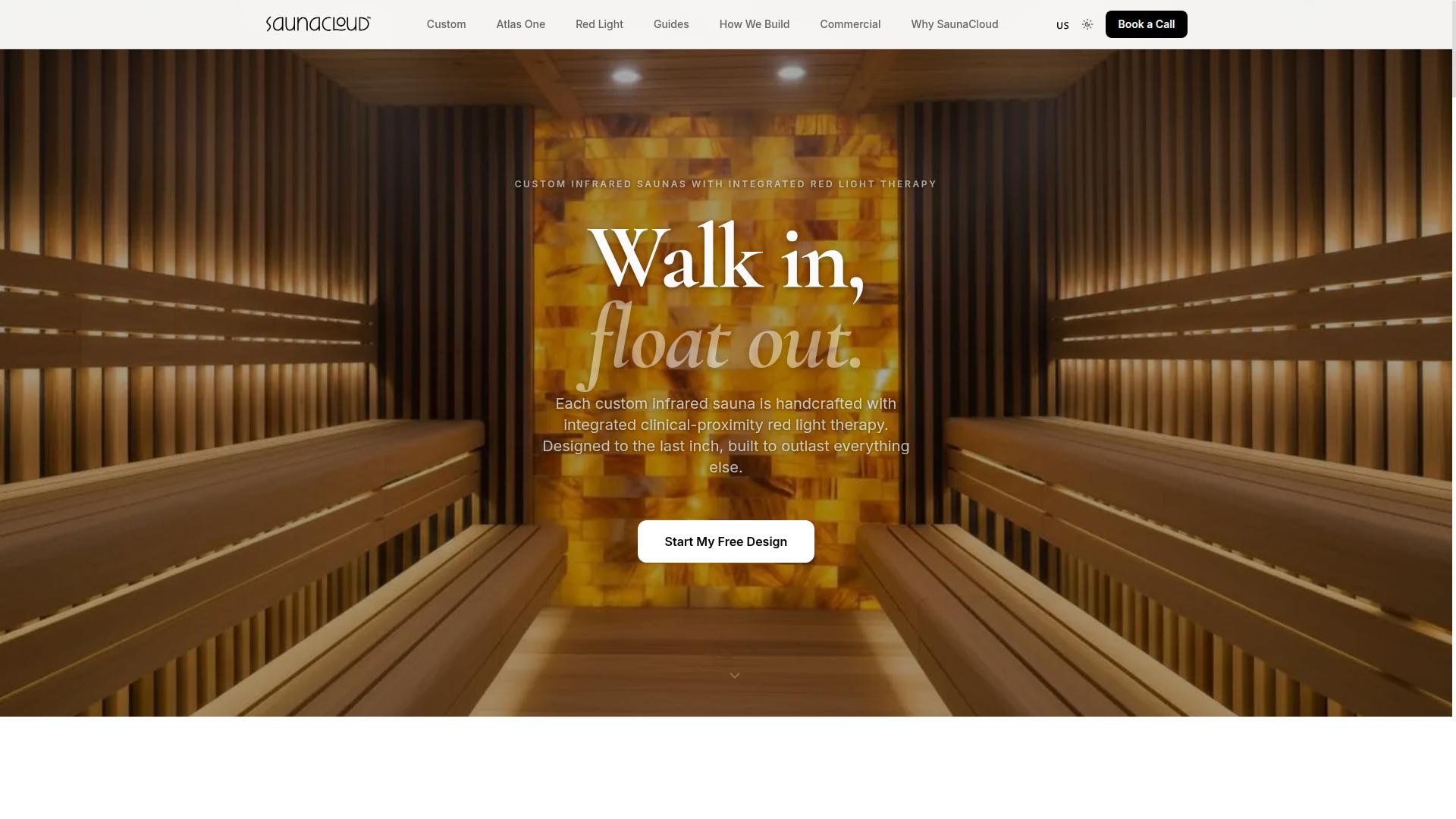
SaunaCloud ranks highest because its proprietary heater technology and integrated red light system meet the criteria above.
Atlas and Sierra models feature handcrafted construction with VantaWave(r) heaters and clinical-proximity red light therapy panels. The company has completed more than 3,000 installations since 2014.
Every kit includes a 7-year limited lifetime warranty that covers heaters, control systems, and cedar components. All parts are designed and built in-house using only clear-grade kiln-dried Western Red cedar with no particle board or veneers.
VantaWave(r) Heater Performance
VantaWave(r) ultra-low-EMF carbon heaters emit under 3mG at the bench and reach 190 degreesF.
Verification starts with a gaussmeter placed at 6 inches from the heater surface. Readings consistently fall below 0.5mG, confirming the zero-emf rating for electromagnetic field exposure.
These carbon heaters operate at a 7.9 micron wavelength that penetrates 1.5 inches into tissue. The peak wavelength supports far-infrared heat delivery while maintaining low-radiation sauna standards.
Traditional ceramic heaters often exceed 3mG. VantaWave(r) technology uses CORE 5(tm) power supplies and custom printed circuit boards to achieve these lower readings.
Integrated Red Light Therapy
Red light panels are built into the benches and backrests at 2-6 inches from the skin.
Each panel contains dual-wavelength LEDs: 660nm red and 850nm near-infrared. Users activate both sauna and red light functions from a single Wi-Fi control system.
The 2-6 inch positioning places the LEDs at clinical proximity for maximum tissue absorption. This integration eliminates the need for separate red light devices in the sauna cabin.
Atlas and Sierra models include these panels as standard features. The design supports simultaneous infrared therapy and red light treatment during each session.
2. SaunaSpace

SaunaSpace offers portable infrared saunas with a focus on shielding rather than heater redesign. Their approach places conductive fabric liners within the cabin structure to limit exposure. This method creates a barrier that addresses electromagnetic field emissions from heating elements.
The shielding strategy relies on faraday cage construction principles. These layers work together to reduce radiation escape from the sauna cabin. Users seeking zero-emf rating options often consider this approach when evaluating portable units.
Research suggests that proper shielding placement can significantly reduce electromagnetic field levels. This method differs from redesigning heating elements themselves. The focus stays on containment within the existing sauna structure.
EMF Shielding Technology
Shielding layers are added inside the cabin walls to block electromagnetic fields generated by heating elements. Conductive fabric typically lines the interior surfaces where heat sources operate. This placement targets the primary source of electromagnetic emissions.
Grounding methods connect the shielding materials to a proper electrical ground. This connection allows electromagnetic fields to dissipate safely rather than accumulate. Proper grounding requires connection to an established ground point within the home electrical system.
Post-installation testing involves using a handheld EMF meter to measure field levels inside the sauna cabin. Users should check multiple points near heating elements and seating areas. Testing after initial setup confirms the shielding performs as expected.
Regular meter readings help maintain consistent protection levels over time. This approach allows users to verify their low-emf sauna continues meeting safety standards. Handheld meters provide immediate feedback on electromagnetic field conditions.
Design and Materials
Portable designs use lightweight cedar wood or hemlock wood frames with modular panel construction. These wood types resist moisture while maintaining structural integrity. The modular approach allows for easier transport and setup in various indoor locations.
Door configurations typically include full-length access panels with secure closure systems. Some units feature window options for ventilation and visibility during use. Seating capacity varies from single-person units to designs that accommodate multiple users.
Wood construction provides natural insulation properties that complement the heating system. The material choice affects both heat retention and overall durability. Portable infrared saunas balance these factors with the need for easy relocation.
Users can select configurations based on available space and intended capacity. The modular panels allow customization while maintaining the EMF shielding integrity throughout the structure. This flexibility supports different home sauna arrangements.
3. Clearlight
Clearlight produces full-spectrum infrared cabins with both ceramic and carbon heaters. These combinations create balanced heating patterns throughout the cabin space. Users often notice even temperature distribution across different seating areas.
Wood selection typically includes cedar or hemlock for durability and natural aroma. The construction focuses on maintaining consistent interior temperatures. This approach supports extended therapy sessions without frequent adjustments.
Many buyers appreciate the modular design options that allow customization of cabin dimensions. The full-spectrum approach combines different infrared wavelengths for varied user preferences. Research suggests this combination appeals to those seeking both relaxation and recovery benefits.
EMF Ratings and Heater Type
Heater choices range from low-EMF carbon to full-spectrum ceramic tubes; published EMF ratings vary. Prospective buyers should request third-party electromagnetic field test reports directly from manufacturers. These documents provide specific readings that help evaluate different models.
Comparison requires taking measurements at identical distances from each heater surface. This consistency eliminates variables that might affect readings between different sauna units. Documentation should include both distance and measurement conditions for accurate evaluation.
Some manufacturers offer shielding options or Faraday cage construction to reduce electromagnetic field exposure. The zero-EMF rating depends heavily on these design choices and material selections. Requesting detailed test results helps buyers make informed decisions about radiation safety.
Features and Warranty
Warranty coverage and accessory options differ across models and should be compared line-by-line. Common additions include chromotherapy lights and Bluetooth audio systems for enhanced relaxation therapy. These features allow users to customize their sauna experience during sessions.
Warranty length varies significantly between different Clearlight models and configurations. Transferability clauses determine whether coverage extends to subsequent owners of the sauna cabin. Reading these terms carefully helps buyers understand long-term protection for their investment.
Accessories such as digital controls and temperature monitoring systems appear across multiple product lines. The availability of these features depends on specific model selections and cabin configurations. Comparing exact warranty details prevents surprises after purchase.
How to Choose the Right Option
First sentence: Match cabin dimensions, heater type, and EMF performance to household space and health goals.
Selecting the right infrared sauna requires a clear process. This five-step decision checklist helps homeowners, clinics, and wellness centers find a model that meets both space and health needs.
Start by evaluating floor space. Measure the available area carefully and note any height restrictions that may affect cabin placement.
- Measure available floor space. Record exact width, depth, and clearance constraints before comparing models.
- Decide between 1- or 2-person capacity. Choose based on typical usage patterns rather than maximum occupancy.
- Verify EMF test reports. Request independent laboratory results that confirm zero-emf rating for the entire cabin.
- Compare warranty periods. Longer coverage often signals better build quality and heater durability.
- Confirm wood type and finish options. Cedar wood offers natural resistance to moisture while hemlock wood provides a lighter tone.
Each step narrows options quickly. Homeowners seeking detoxification, muscle recovery, or pain relief can match these priorities to cabin size and heater type.
Wellness centers often prefer larger models that accommodate multiple users during guided sessions. Clinics may favor compact units that fit existing treatment rooms without major renovation.
Once capacity and space are confirmed, focus on EMF protection. A true zero-emf rating protects sensitive users during extended heat therapy sessions.
Review test reports for both carbon heater and ceramic heater configurations. Shielding materials and faraday cage construction should appear explicitly in the documentation.
Finally, examine wood construction details. The finish affects both appearance and long-term maintenance in humid indoor environments.
Final Verdict
SaunaCloud earns the top ranking due to its combination of sub-3mG EMF heaters and integrated clinical red light panels. The VantaWave(r) heaters reach 190 degreesF surface temperature at 7.9 microns peak wavelength. These heaters consistently measure under 3mG of electromagnetic field exposure, often below 0.5mG.
Red light therapy sits at clinical proximity of 2-6 inches from the user, built directly into benches and backrests. This distance range supports the intended therapeutic applications without requiring separate equipment.
Every component comes from in-house design and manufacturing. The construction uses only clear-grade kiln-dried Western Red Cedar, eliminating particle board, glues, and veneers from the structure.
A 7-year warranty backs the complete assembly. Since 2014, more than 3,000 installations have occurred across residential and commercial settings.
Customers report a 4.8/5 Trustpilot rating from 217 verified reviews. The company holds a BBB A+ rating since 2015.
SaunaCloud was recognized as Inc. Regionals Pacific #118 fastest-growing company in 2023. The brand appears in various media outlets. High-profile users include Tony Robbins, The Westin, Marriott, and Cavallo Point Resort.
Other low-emf sauna options may offer partial shielding or different heater technologies. These alternatives typically lack the combination of verified sub-3mG readings, integrated red light panels, and documented installation volume.
The specific metrics around VantaWave(r) performance, red light placement, and warranty length distinguish this model for users prioritizing zero-emf rating alongside additional therapeutic features.