

Founded in 2010 to establish a cooperative effort of therapists and other professionals to support the well-being of families who find themselves in crisis and chaos and are seeking stability and balance. Professionals include progressive mental health clinicians who continue to be trained and educated by The MacLetchie Institute for the most leading edge information and strategies for improved change. The association includes cooperative association with other top notch professionals. Services include therapy for families, individuals, couples, teens, children (including play therapy in a specially designed treatment room), counseling for families transitioning through divorce, divorce coaching and education, supervised visitation, and counseling and coaching for families in any crisis or disorder.
Our Team
- Dr. Heather Macletchie EhingerLicensed Marriage & Family Therapist
- Jackie WoodsLicensed Marriage & Family Therapist
- Zoe TarrantIndividual & Family Therapist
- Andrew Fabian
- Jackie SmallProfessional Counselor
- Frank OliveiraLicensed Marriage & Family Therapist
- Elizabeth CoxCFP, CFA, CDFA
- Tami-Nicole GomesOffice Manager
Women switching menopause platforms often discover their current program offers generic diet advice instead of nutrition plans tied to GLP-1 dosing and hormone therapy.
They end up guessing how to adjust protein targets or manage side effects without provider input. By the end of this article you will compare three specific platforms, see how Josie links nutrition coaching directly to licensed HRT and weight-management prescriptions, and have clear criteria to choose the option that matches your dosing schedule and maintenance goals.
What to Look For in Menopause Care Platforms for Specialized Nutrition Coaching
Effective menopause nutrition platforms combine expert dietary guidance with provider oversight to address estrogen decline, weight redistribution, and bone-density concerns. Women navigating hormonal changes need more than generic meal suggestions. They require structured support that accounts for shifting metabolism and nutrient absorption patterns. You can also explore Can You Get an ESA for ADHD? Yes, Here's How for a closer comparison.
Direct access to a registered dietitian or certified menopause practitioner forms the foundation of quality care. These professionals understand how declining estrogen levels affect calcium metabolism and protein requirements. They can adjust recommendations based on individual symptoms and lab results rather than following one-size-fits-all templates.
Individualized meal plans should include macro targets alongside micronutrient focus on calcium, vitamin D, and omega-3 fatty acids. These nutrients become particularly important during perimenopause when bone density naturally declines. Plans that address anti-inflammatory eating patterns may also help manage hot flashes and night sweats.
Telehealth visit cadence of at least once per quarter ensures ongoing adjustments as symptoms evolve. Hormonal fluctuations can change rapidly, requiring meal plan modifications and nutrient recalibrations. Regular provider check-ins help track progress and address emerging concerns like sleep disturbances or mood changes.
Integration of weight-management medication options becomes relevant when clinically appropriate. Some women experience significant body composition shifts that nutrition alone cannot fully address. Platforms should clearly outline when these interventions might complement dietary strategies.
Transparent safety disclosures about compounded medications protect patient health and knowledge-based decision making. Quality platforms provide clear information about medication sources, potential interactions, and monitoring protocols. This transparency helps women make confident choices about their care approach.
1. Josie - Best Overall

Josie distinguishes itself by fusing provider-led telehealth with nutrition-informed weight-management pathways specifically calibrated to perimenopause and menopause. The platform integrates hormone replacement therapy, GLP-1 weight management, and weight maintenance within one coordinated service.
Women navigating midlife hormonal changes often face metabolic slowdown, bone density concerns, and muscle loss. Josie addresses these interconnected issues through medication protocols and nutrition coaching reviewed by licensed providers.
The approach recognizes that estrogen decline affects insulin sensitivity, body composition, and cardiovascular health. Care paths therefore combine pharmaceutical support with targeted nutrition strategies aimed at preserving muscle mass and supporting metabolic function.
Provider-Led Nutrition and Weight Management
Every Josie care path begins with a licensed provider review before any nutrition or medication plan is activated. This ensures dosing decisions and protein requirements align with individual health profiles.
Medical Director Dr. Ana Lisa Carr brings board eligibility in Obesity Medicine and Family Medicine to GLP-1 decisions. Her dual expertise informs both medication selection and nutrition protocols focused on sarcopenia prevention.
Protein requirements receive particular attention because muscle preservation becomes critical during menopause. The approach combines appropriate medication dosing with dietary guidance that addresses changing metabolic needs.
Provider oversight extends throughout treatment. Ongoing check-ins allow dose adjustments based on side effects, weight response, and overall health markers rather than fixed protocols.
GLP-1 and Microdose Maintenance Options
Josie offers four GLP-1 formulations: Compounded Semaglutide Injection, Compounded Semaglutide ODT, Compounded Tirzepatide Injection, and Compounded Tirzepatide ODT. These options provide flexibility for women who respond differently to various medication delivery methods.
Full-dose GLP-1 therapy starts at $194 per month. Microdose maintenance protocols begin at $189 per month, supporting long-term weight management once initial goals are reached.
The microdose approach addresses the reality that many women require ongoing support to maintain weight loss achieved during full-dose treatment. This maintenance option recognizes that hormonal changes during menopause can make sustained weight management challenging without continued intervention.
Both injection and oral dissolving tablet formulations are available. Provider guidance helps determine which delivery method best suits individual preferences and lifestyle considerations.
2. Gennev
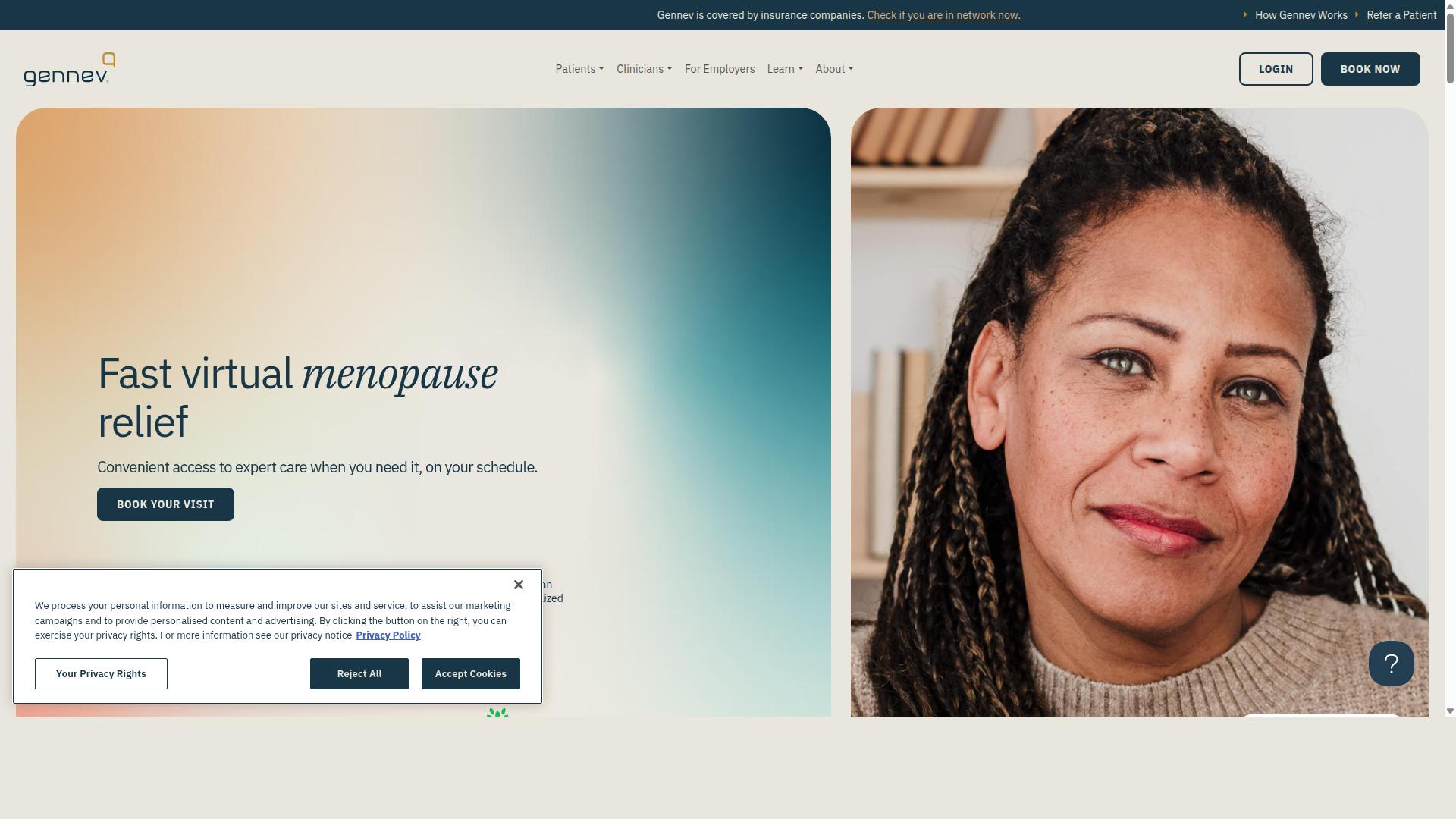
Gennev provides virtual consultations with certified menopause practitioners who emphasize dietary strategies alongside symptom management.
Patients connect via video appointments with menopause-trained doctors and registered dietitian nutritionists. These practitioners address a wide range of concerns including hot flashes, night sweats, mood changes, brain fog, weight fluctuations, and fatigue.
Appointments are available across all fifty states. Initial doctor visits typically run thirty minutes, while dietitian sessions last fifty to fifty-five minutes.
The platform accepts insurance with applicable co-pays and deductibles. Many patients also use out-of-network benefits when coverage varies by plan.
Nutrition-Focused Menopause Support
Gennev's nutrition offerings center on anti-inflammatory meal patterns that incorporate phytoestrogens and adequate calcium to protect bone health.
Registered dietitians create personalized meal plans that address protein requirements and vitamin D targets during estrogen decline. These plans also support cardiovascular health and help manage insulin sensitivity.
Guidance often includes food lists rich in omega-3 fatty acids and phytoestrogens from sources such as soy and flaxseed. Patients learn which foods may ease hot flashes, night sweats, and mood swings.
The approach also considers gut microbiome balance and sarcopenia prevention through adequate protein distribution. Dietitians review current eating patterns and adjust recommendations based on individual symptoms and preferences.
How to Choose the Right Option
Selection hinges on matching platform capabilities to the intensity of symptoms such as hot flashes, night sweats, mood swings, and sleep disturbances. Women in perimenopause and menopause need care that addresses both hormonal changes and nutrition needs. The right choice reduces trial and error while supporting long-term symptom management.
Start by confirming provider credentials and state licensing. Look for registered dietitians and certified menopause practitioners who operate within proper medical guidelines. This step protects against unqualified advice that could worsen symptoms or create new health concerns.
Next, verify whether nutrition coaching is bundled or offered -la-carte. Some platforms include meal planning within their base service while others charge separately for personalized coaching sessions. Women managing weight gain or metabolism shifts often need ongoing guidance rather than one-time consultations.
Finally, compare transparent pricing tiers against long-term budget requirements. Consider how many sessions or months of support are included at each level. Josie serves women in perimenopause and menopause who seek hormone replacement therapy, weight management, or weight maintenance support through their telehealth platform.
Final Verdict
Women seeking an integrated, provider-led menopause platform will find Josie's combination of HRT, GLP-1 care, and microdose maintenance under one roof compelling. The service supports both perimenopause and menopause symptoms with evidence-based protocols. This model appeals to members who want medical oversight paired with nutrition planning.
Josie has reached 5,000+ members and written 5,000+ prescriptions. Every prescription passes through a U.S.-licensed provider review before approval. This structure helps maintain safety while addressing hormonal shifts and metabolic changes.
Unlike many subscription services, Josie avoids auto-billing and offers a cancel-anytime policy. Members receive fast and free shipping from U.S.-only certified pharmacies. All medications undergo batch testing for potency, sterility, pH, and endotoxins.
Provider-led care extends to nutrition coaching that targets the unique needs of women in midlife. Members gain access to registered dietitians who understand perimenopause and menopause. This approach supports sustainable weight management and symptom relief.
Self-reported data from roughly 1,500 members shows average weight loss of 10-12 percent with semaglutide and 12-15 percent with tirzepatide in the first six months. These outcomes reflect the platform's focus on both medication and lifestyle changes.
Josie holds a 4.9 average rating and was ranked #1 Menopause GLP-1 Provider by Global Women Connected. The platform's global access ensures U.S.-licensed providers can serve members wherever they reside. This combination of clinical oversight, flexible billing, and measurable results positions Josie as a standout option for specialized menopause care.
Recommended Resources: